
My problems with the met and what nobody is saying.
To keep this as PG as possible, we will skip names, but we all saw it.
On this year’s first Monday in May, we witnessed a shift in fashion as we know it. The throne passed to a younger, more commercially driven, and different kind of leadership. Someone who, for the sake of all parties involved, will remain unnamed in this article. That shift was not subtle. It was structural.
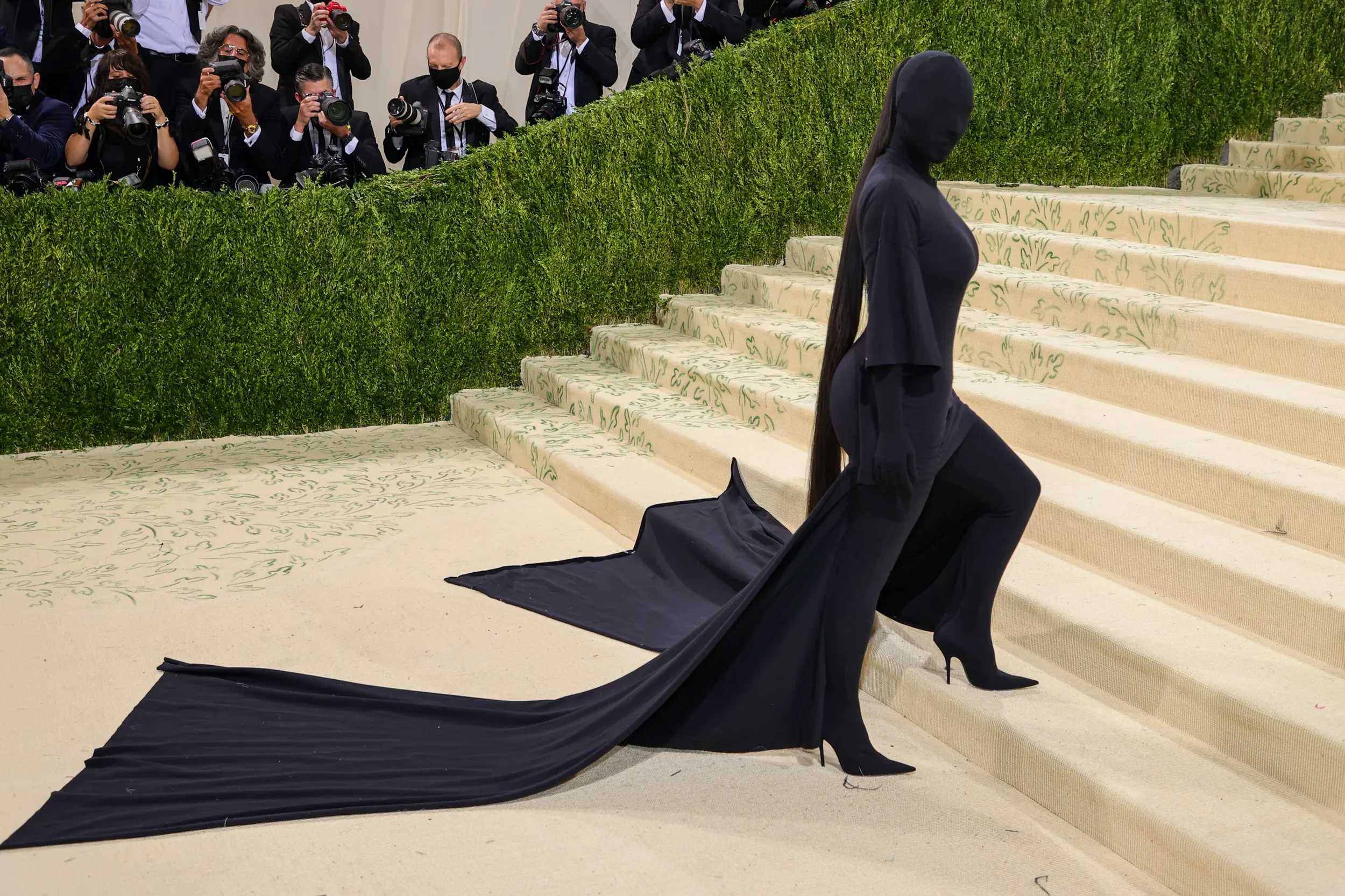
The Met Gala was created as a fundraiser for the Metropolitan Museum of Art, but over time, it became something much bigger. An idol for fashion lovers worldwide. A night where couture, history, and cultural commentary met at the top of those steps in what often felt like a once-in-a-generation moment.
But cultural moments change. Now that power feels owned by someone not rooted in fashion for the love of the archive or the craft, but for exclusivity. The secluded society. The golden ticket.
This is no longer about the archive.
It is about access.
The Met was once a platform for young designers, for themes with deep historical meaning, for nights that reshaped how we understood fashion itself. And when leadership shifts, culture follows.
That argument becomes heavier when we look at this year’s theme.
“Costume Art”
This is where the problem truly begins.
The criticism surrounding the word “costume” misunderstands what the Met has always been. Fashion at this level has always been costume, and that was never the scandal.
These garments are not meant for daily life. They are made for the Met. Teams work for months, sometimes years. Every fabric choice, every appliqué, every silhouette is intentional and rooted in the theme.
That is costume art.
Last year’s Black Dandyism proved this. The carpet became a living archive. Camp, protest, elegance, resistance. Fashion was history that night.
Costume is not childish.
It is cultural memory.
What feels different now is not the artistry, but the intention behind it. With every publication scrambling to interpret the dress code, we are not witnessing creativity expanding. We are watching meaning thin.
Not all change is creative.
What comes next feels predictable. Branding disguised as fantasy. Sponsor-friendly references. Costumes rooted not in history, but in marketability.
Something sacred is being optimized.
We already live in an era of personal brands, fandom culture, and trend cycles accelerated by fast fashion. Now the Met feels pulled into that same machine.
Which raises the real question. Why does this need to happen?
The Met Gala was never about the everyday person. It was about movement. About capturing the cultural pulse of a year and forcing fashion houses to respond to it.
Those themes, regardless of controversy, were grounded in history. They demanded interpretation, not visibility.
Now we are watching another shift unfold.
Anna Wintour’s reign is nearing its end. Fashion houses are cycling designers at record speed. Technology and politics are reshaping culture entirely. Fashion is being pulled into a new future, one driven less by commentary and more by capital.
An event once built as fashion’s mirror is becoming fashion’s marketplace.
Instead of inviting culture, it invites access.
Instead of centering movement, it centers exclusivity.
And we, the audience who live for fashion, are watching the line between the haves and the have-nots cut straight through something we once believed belonged to art.